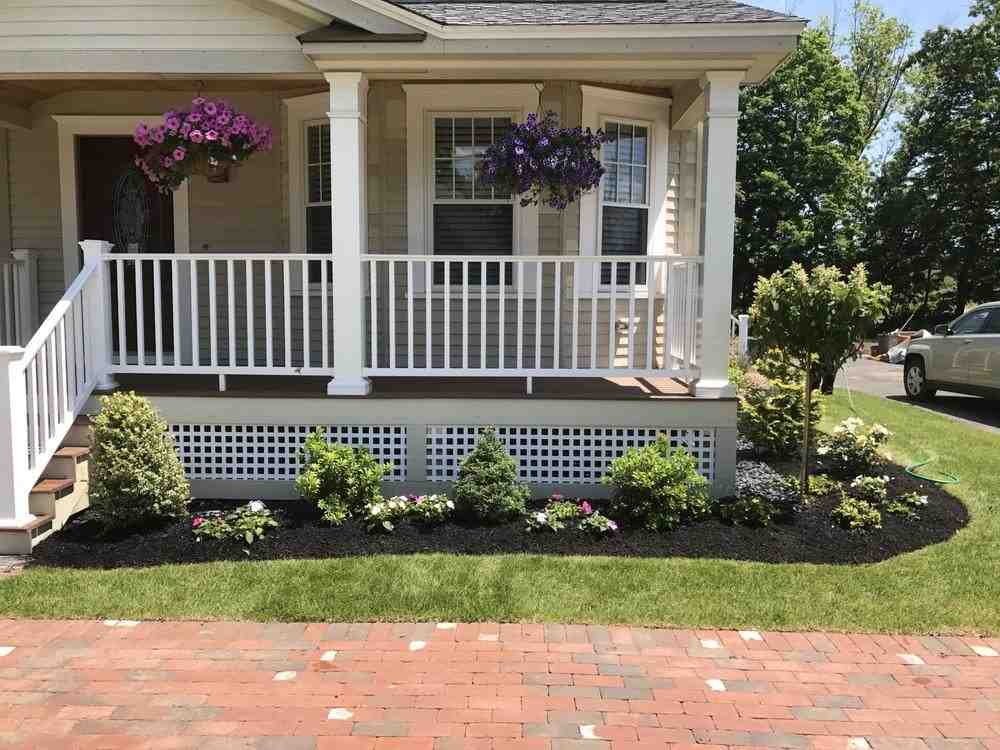
Patio and garden design can transform your outdoor space into a tranquil oasis or a lively entertainment area. It’s about blending functionality with aesthetics to match your lifestyle. Whether you’re envisioning a cozy corner with lush greenery or a vibrant social hub, the right design improves both beauty and utility.
Here are the key benefits of great patio and garden design:
- Increases Property Value: A well-designed patio boosts curb appeal and property value.
- Improves Usability: Create functional spaces for dining, relaxing, and playing.
- Supports Sustainability: Use native plants and efficient irrigation to reduce your environmental footprint.
- Stress Relief: Green spaces are known to relieve stress and improve mental well-being.
My name is Joe Dogherty, and I’ve been in the landscaping industry for over 30 years. At D&G Landscaping in Tewksbury, MA, my team and I specialize in creating patios and garden designs that are both sustainable and visually stunning. This experience allows us to tailor each project to the unique needs of our clients, ensuring a seamless blend of nature and structure.
Know your Patio and garden design terms:
– custom patio builders near me
– patio renovation near me
– porch renovation near me
Planning Your Patio and Garden Design
When diving into patio and garden design, careful planning is your best friend. It’s not just about picking plants or arranging furniture; it’s about creating a space that suits your lifestyle and needs. Here’s how to get started:
Evaluate Your Site
First, take a good look at your outdoor space. Consider the sun and shade patterns throughout the day. Is there a slope or flat ground? This will help determine what plants will thrive and where to place seating or other features. Also, think about access to water and how you’ll maintain the space.
Consider Function
What do you want from your patio and garden? Maybe a relaxing retreat with a cozy hammock? Or a busy spot for weekend barbecues? Define the primary function of your space to guide your design choices.
Privacy Matters
Privacy can make your patio feel like a personal sanctuary. Use elements like clipped hedges or climbing vines to create natural barriers. This not only shields you from prying eyes but also adds lush greenery to your design.

Create Garden Rooms
Break your outdoor area into distinct zones or “rooms.” This could mean a dining area, a play zone for kids, or a quiet spot for reading. Use planters, furniture, or pathways to define these spaces clearly.
Find Inspiration
Draw inspiration from various sources. Look at magazines, websites, or even your neighborhood. Pinterest is a great place to find unique ideas. You might find a love for French country aesthetics or a preference for modern minimalism.
Scale and Style
Consider the scale of your design. Small patios benefit from compact furniture and vertical gardens, while larger spaces can accommodate grander features like a pergola or a fire pit. Match the style to your home for a cohesive look.
Draw Your Design
Sketch your ideas on paper or use design software. This helps visualize the layout and make adjustments before any work begins. A clear design plan saves time and money in the long run.
Planning is the foundation of a successful patio and garden design. By thinking through each element, you create an outdoor space that’s both beautiful and functional, a true extension of your home.
Top 10 Patio and Garden Design Ideas
Designing your patio and garden can be a fun and rewarding experience. Here are ten inspiring ideas to get you started on creating a stunning outdoor space:
1. Plant Spillers Along a Retaining Wall
Improve a compact patio by planting colorful perennials along a retaining wall. These “spillers” cascade over the edge, adding vibrant color and texture. This approach not only beautifies a plain wall but also saves space by keeping plants off the ground.
2. Add Palms to Mirror a Fountain
Incorporate potted palms around a courtyard water feature to create a tropical oasis. The palms add height and a lush feel, while their reflection in the water introduces a sense of symmetry and tranquility. This setup is perfect for those looking to add texture and a pop of color.
3. Define Space With a Canopy
Use an open-air canopy to define different areas in your garden. Train flowering vines to climb the structure, creating a natural ceiling. By selecting vines with staggered bloom times, you can enjoy a continuous display of flowers throughout the season.
4. Create a Vista
Frame a distant view or focal point with a tree line or colorful planters. This technique draws the eye and creates a sense of depth in your garden. A green theme, with varying shades and textures, can improve the vista, making your space feel larger.
5. Surround Yourself With Plants
Transform your patio into an urban jungle with container plantings. Mix and match various plant sizes and types for a whimsical design. This approach is ideal for city dwellers who want to escape into nature without leaving home.
6. Install Large Container Plants
Opt for large container plants like Quickfire hydrangeas to create a lush patio with minimal effort. These low-maintenance plants offer impressive blooms and require less frequent watering, making them perfect for busy homeowners.
7. Simplify With Raised Beds
Raised bed planters can streamline your garden design. Pair them with a gravel walkway and clay pots for a neat, organized look. Raised beds make planting and maintenance easier, especially in small spaces.
8. Plant Lavender for a French Country Look
Introduce a touch of Provence with stone-edged flower beds filled with hearty lavender. This setup not only provides a fragrant aroma but also brings a classic French country aesthetic to your garden.
9. Soften Straight Lines With Green Textures
Incorporate small shrubs around seating areas to soften hard edges and add organic textures. This technique blends straight lines with natural shapes, creating a cozy and inviting atmosphere.
10. Create Vertical Green Walls
Maximize your space by building vertical green walls with clipped hedges or climbing vines. These walls add privacy and a lush backdrop to any patio. They are perfect for urban settings where ground space is limited.
By incorporating these ideas, you can transform your outdoor area into a beautiful and functional extension of your home. Whether you have a sprawling backyard or a tiny balcony, these design tips will help you make the most of your space.
1. Plant Spillers Along a Retaining Wall
A compact patio can be transformed into a vibrant oasis by utilizing the vertical space of a retaining wall. By planting colorful perennials as “spillers,” you can create a cascading effect that draws the eye and adds dynamic interest to your outdoor area.
Colorful perennials such as Siberian iris or creeping phlox are perfect choices for this setup. These plants not only bring a burst of color but also have the ability to thrive in the confined spaces typical of a patio environment. Their blooms can spill neatly over the edge of the retaining wall, softening its appearance and integrating it seamlessly into the garden design.
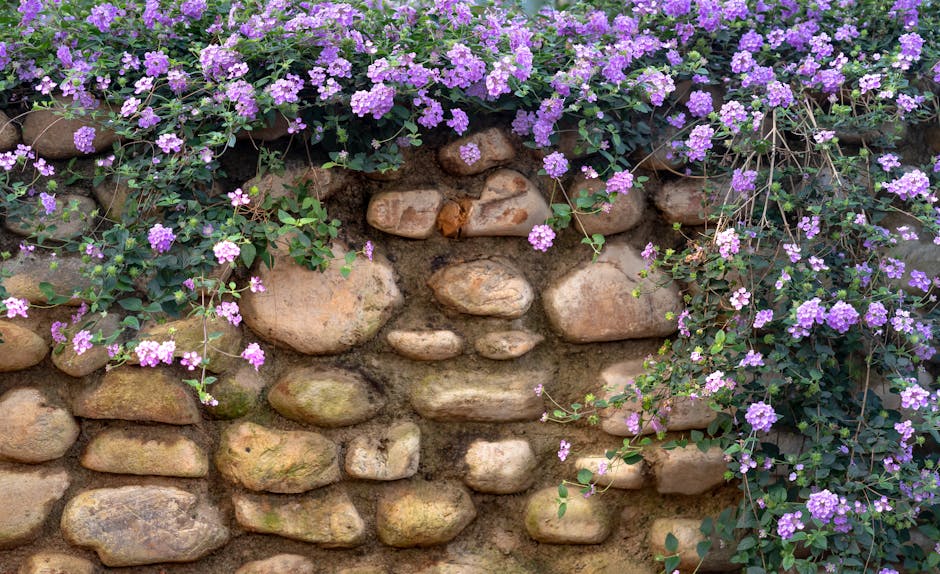
Retaining walls serve a dual purpose. They not only provide structural support to your garden but also offer an opportunity to display cascading plant life. This is particularly useful in smaller patios where ground space is at a premium. By elevating your plantings, you create layers of interest without sacrificing valuable floor space.
This approach to patio design emphasizes the use of vertical gardening techniques, which are perfect for urban settings or any area where space is limited. The result is a lush, layered look that makes your patio and garden design feel more expansive and inviting.
By incorporating spillers along a retaining wall, you can achieve a vibrant and space-efficient garden that improves your patio’s aesthetic appeal. This technique is an excellent example of how thoughtful design can turn even the smallest outdoor spaces into lush, colorful retreats.
2. Add Palms to Mirror a Fountain
Transform your patio and garden design with the neat addition of potted plants that mirror a courtyard water feature. One of the most effective ways to achieve this is by incorporating tall palms. These plants not only add height but also bring a sense of exotic elegance to your space.
Palms are perfect for creating a dramatic effect. Their tall, sculptural fronds can mimic the flow and movement of water in a fountain, creating a harmonious and balanced look. This visual symmetry improves the overall design and makes the space feel cohesive.
The texture of palm fronds adds a unique element to your patio. Their scratchy trunks contrast beautifully with smooth tiles and stucco walls, providing a tactile experience that draws people in. This textural variation is essential for creating a dynamic and engaging outdoor environment.
In terms of color, palms bring a rich, deep green that complements other elements in your garden. This lush color contrasts well with the often neutral tones of patios, such as stone or concrete. By adding palms, you inject a lively hue that improves the vibrancy of your space.
When designing your courtyard, consider the placement of your palms and water feature. Placing them in proximity allows them to play off each other, enhancing both elements’ visual impact. This thoughtful arrangement creates a serene and inviting atmosphere that encourages relaxation and enjoyment.
By using potted palms to mirror a fountain, you can lift your patio’s aesthetic. This approach combines texture, color, and symmetry to create a sophisticated outdoor space that feels both luxurious and welcoming.
3. Define Space With a Canopy
An open-air canopy can transform your patio into a charming retreat. This simple addition not only defines the space but also adds an architectural element that improves your patio and garden design.
Using a canopy draped with flowering vines is a beautiful way to create a natural ceiling. Vines like wisteria or clematis can add vibrant colors and scents, turning your patio into a sensory paradise. These flowering plants bring life and movement to your space, making it feel like an extension of your garden.
Timing is key when using flowering vines. Understanding bloom times allows you to plan for a garden that changes with the seasons. For example, wisteria blooms in spring, offering a burst of color after winter. By choosing vines with staggered bloom times, you can ensure that your canopy is always lush and inviting.
A canopy also provides practical benefits. It offers shade on sunny days, making your patio more comfortable and usable throughout the year. This makes it easier to enjoy your outdoor space, whether you’re relaxing with a book or hosting a gathering.
Incorporating an open-air canopy with flowering vines into your patio design is a simple yet effective way to create a defined, inviting space. It blends structure with nature, offering both beauty and functionality. This approach not only improves your patio’s aesthetic but also makes it a more enjoyable place to spend time.
4. Create a Vista
Creating a vista in your patio and garden design can transform your outdoor space into a stunning visual experience. A well-planned vista draws the eye towards a focal point, enhancing the overall ambiance and making your garden feel more expansive.
Tree Line
Establishing a tree line is an effective way to create a natural boundary and guide the eye across your garden. Trees can act as living frames, highlighting specific areas or features. They provide structure and height, adding depth to your garden. Consider trees like birch or maple, which offer beautiful foliage and a sense of tranquility.
Colorful Planters
Incorporate colorful planters to add pops of color and visual interest. Planters can be strategically placed to lead the eye towards your focal point, creating a path of vibrant hues. Choose plants with varying bloom times to ensure continuous color throughout the seasons. This technique not only improves the vista but also brings life and movement to your garden.
Green Theme
A consistent green theme ties the elements of your vista together. Use a variety of green shades and textures to create a lush and cohesive look. This can be achieved through a mix of evergreens, grasses, and leafy plants. The use of green as a unifying color helps maintain a natural and calming atmosphere, making your garden a peaceful retreat.
By creating a vista with a tree line, colorful planters, and a green theme, you can lift your patio and garden design. This approach not only improves the visual appeal of your space but also makes it more inviting and enjoyable.
5. Surround Yourself With Plants
Transform your patio into an urban jungle by surrounding yourself with lush greenery. Even if your space is limited, you can create a garden oasis using container plantings. This approach is perfect for city dwellers who want to bring nature closer to home.
Urban Jungle
Accept the urban jungle vibe by filling your patio with a variety of plants. Use pots, hanging baskets, or even vertical planters to maximize space. This method allows you to enjoy the benefits of a garden without needing a traditional yard. Plants like ferns, succulents, and small palms thrive in containers and add a touch of the wild to your urban setting.
Container Plantings
Container plantings offer flexibility and creativity in your garden design. You can easily rearrange pots to change the look of your space or to follow the sun. Choose containers of different sizes and materials to add depth and interest. Mix flowering plants with leafy greens to create a balanced and vibrant display. This not only improves the aesthetic but also allows you to experiment with various plant combinations.
Whimsical Design
Add a touch of whimsy to your garden with playful design elements. Use colorful pots, unique plant stands, or decorative garden art to infuse personality into your space. Consider incorporating a small water feature or birdbath to attract wildlife and add a soothing sound to your patio. The key is to let your creativity flow and make the space uniquely yours.
By surrounding yourself with plants and embracing a whimsical design, you can create a personal retreat that feels like a breath of fresh air, even in the heart of the city. This approach not only beautifies your patio but also provides a calming escape from the hustle and bustle of urban life.
6. Install Large Container Plants
For a lush and inviting patio, large container plants are a fantastic option. They bring a sense of grandeur and fullness to your outdoor space with minimal upkeep. One standout choice is the Quickfire hydrangea.
Quickfire Hydrangeas
Quickfire hydrangeas are known for their early blooming and vibrant color. They start with a creamy white hue that transitions to a deep pink as the season progresses. This color change adds dynamic interest to your garden throughout the summer and into the fall. Their large, showy blooms make them a striking focal point in any patio design.
Low Maintenance
These hydrangeas are low maintenance, making them ideal for busy homeowners. They require minimal pruning and are resistant to common pests and diseases. By choosing plants like Quickfire hydrangeas, you can enjoy a beautiful garden without dedicating too much time to upkeep. Just ensure they get enough sunlight and water, and watch them thrive.
Lush Patio
Using large container plants like Quickfire hydrangeas can transform your patio into a lush retreat. Place them strategically around your seating areas to create a cozy, enclosed feel. Their height and fullness provide natural privacy and can soften the edges of your patio, blending seamlessly with the surrounding landscape.
By incorporating large container plants, you improve the beauty and functionality of your patio. These plants not only offer visual appeal but also create a serene environment where you can relax and unwind.
7. Simplify With Raised Beds
Raised bed planters are a smart choice for anyone looking to streamline their garden design. They offer a tidy and organized way to grow plants, and they lift your garden—literally and aesthetically.
Raised Bed Planter
A raised bed planter is essentially a garden bed built on top of your existing soil. These planters are often constructed from wood or stone and filled with a rich soil mix. They’re perfect for growing vegetables, flowers, or herbs. The height of raised beds makes gardening more accessible, reducing the need for bending and kneeling.
Benefits of Raised Beds
- Improved Drainage: The elevation allows for better water drainage, preventing root rot.
- Weed Control: Raised beds help keep weeds at bay, making maintenance easier.
- Soil Quality: You can control the soil quality by adding compost and other nutrients directly into the bed.
Gravel Walkway
Pair your raised beds with a gravel walkway for a clean and classic look. Gravel walkways are simple to install and provide excellent drainage. They also create a defined path through your garden, making it easy to steer and enjoy your outdoor space.
- Installation: Lay down a weed barrier fabric, then spread a layer of gravel to create a stable surface.
- Maintenance: Gravel walkways require minimal upkeep and can be refreshed with a new layer of gravel every few years.
Clay Pots
Incorporate clay pots into your raised bed design for added texture and visual interest. Clay pots are versatile and can be used to grow smaller plants or herbs. Their natural look complements the earthy tones of a garden.
- Durability: Clay pots are sturdy and withstand various weather conditions.
- Breathability: They allow air and moisture to circulate, promoting healthy plant growth.
By using raised bed planters, gravel walkways, and clay pots, you create a garden that is not only beautiful but also easy to manage. This approach simplifies your gardening tasks while enhancing the overall design of your outdoor space.
8. Plant Lavender for a French Country Look
Dreaming of a garden that feels like a slice of Provence? Lavender is your go-to plant for achieving that classic French country aesthetic. Its silvery foliage and vibrant purple blooms add charm and fragrance to any garden space.
Stone-Edged Flower Beds
Start by creating stone-edged flower beds. These beds provide a rustic and neat frame for your lavender plants. Stones not only keep the soil in place but also add a timeless look that fits perfectly with the French countryside vibe.
- Materials: Use natural stones like limestone or river rocks for an authentic feel.
- Installation: Lay stones in a border around your planting area, ensuring they’re stable and level.
Hearty Lavender
Lavender is known for being hardy and low-maintenance, making it an excellent choice for any garden. It thrives in well-drained soil and full sun, requiring minimal watering once established.
- Varieties: Consider varieties like ‘Hidcote’ or ‘Munstead,’ which are compact and ideal for small spaces.
- Care Tips: Prune lavender after flowering to maintain its shape and encourage new growth.
Achieving the French Country Aesthetic
To complete the look, integrate lavender with other elements of French country design. Pair it with rustic wooden benches, vintage garden accessories, and terracotta pots. The combination of stone-edged beds and hearty lavender creates a serene and picturesque setting.
- Complementary Plants: Mix in other Mediterranean plants like rosemary or sage to improve the theme.
- Outdoor Furniture: Opt for wrought iron or weathered wood pieces to deepen the rustic charm.
By planting lavender and using stone-edged flower beds, you can effortlessly transform your garden into a tranquil retreat reminiscent of the French countryside. This approach not only beautifies your space but also provides a sensory delight with its soothing scents and textures.
9. Soften Straight Lines With Green Textures
Incorporating small shrubs and organic textures into your patio and garden design can transform a rigid space into a relaxing oasis. This approach is perfect for creating a cozy seating area that feels both inviting and natural.
Small Shrubs
Small shrubs are excellent for adding softness and texture to any garden layout. They break up the harshness of straight lines and can be used to frame or define spaces.
- Types: Consider using boxwood, dwarf hydrangeas, or Japanese holly. These shrubs are compact and easy to maintain.
- Placement: Line them along pathways, around seating areas, or at the base of larger plants to add layers and depth.
Creating a Cozy Seating Area
A well-designed seating area is the heart of any garden. It should invite you to sit, relax, and enjoy your surroundings.
- Furniture: Choose pieces that blend with the natural elements. Weather-resistant materials like teak or rattan work well.
- Arrangement: Position your seating to take advantage of views, whether it’s a flower bed or a water feature. Use small shrubs to create a sense of enclosure and privacy.
Accept Organic Textures
Organic textures add a layer of visual interest and make the space feel more connected to nature.
- Materials: Use natural materials like wood, stone, and gravel. These elements complement the greenery of the shrubs and create a harmonious look.
- Accessories: Incorporate textured cushions, throws, and rugs to add comfort and style. Opt for earthy tones that echo the garden’s palette.
Bringing It All Together
Combining small shrubs with organic textures can soften the straight lines of your patio while enhancing its overall appeal. This approach not only creates a more visually pleasing environment but also encourages relaxation and enjoyment.
- Layering Plants: Use a mix of heights and textures for a dynamic and layered look.
- Lighting: Add subtle lighting to highlight the textures and shapes of your shrubs and furniture, creating a cozy ambiance for evening gatherings.
By thoughtfully integrating small shrubs and organic textures into your garden design, you can soften rigid lines and create a warm, inviting space that feels like an extension of nature itself.
10. Create Vertical Green Walls
Transform your patio and garden design with vertical green walls. These lush, living walls not only add a stunning visual element but also provide privacy and a sense of seclusion.
Clipped Hedges
Clipped hedges are a classic choice for creating vertical green walls. They offer a clean, structured look that can be custom to fit any style.
- Types: Consider using boxwood, yew, or privet. These plants are known for their dense foliage and ability to be shaped.
- Maintenance: Regular trimming keeps hedges neat and encourages healthy growth. Aim for at least two to three trims per year.
Climbing Vines
Climbing vines add a touch of whimsy and can transform a plain wall into a vibrant mix of color and texture.
- Varieties: Choose from options like clematis, wisteria, or ivy. Each offers unique blooms and foliage.
- Support Structures: Install trellises or wire grids to guide vines as they grow. Over time, the vines will cover the structure, creating a lush green wall.
Privacy and Seclusion
Vertical green walls are perfect for enhancing privacy in your outdoor space. They act as natural screens, blocking unwanted views and reducing noise.
- Strategic Placement: Position green walls along property lines, around seating areas, or to shield unsightly views. This creates cozy, private zones in your garden.
- Layering: Combine different plant types for added depth and interest. Use a mix of hedges, vines, and flowering plants to create a dynamic and layered effect.
Benefits of Vertical Green Walls
In addition to privacy and beauty, vertical green walls offer several practical benefits.
- Space-Saving: Ideal for small gardens or patios, vertical walls maximize planting space without taking up valuable ground area.
- Environmental Impact: Green walls help improve air quality, reduce heat, and provide habitat for wildlife.
By incorporating clipped hedges and climbing vines into your patio and garden design, you can create beautiful, functional vertical green walls that improve both privacy and aesthetics. This approach not only lifts the look of your outdoor space but also contributes to a healthier environment.
Practical Tips for Patio and Garden Design
Designing a patio and garden can be both exciting and overwhelming. Here are some practical tips to help you make the most of your outdoor space, focusing on container plants, window boxes, hanging plants, and using every sliver of open ground effectively.
Container Plants
Container plants are a versatile option for any patio or garden. They allow you to add greenery and color without the need for in-ground planting.
- Flexibility: You can easily move containers around to change the look of your space or to catch the best sunlight.
- Variety: Choose from a wide range of plants, including flowers, herbs, and even small trees like Quickfire hydrangeas for a lush patio look.
- Maintenance: Containers are generally low maintenance. Ensure they have good drainage and regular watering.
Window Boxes
Window boxes are perfect for adding a splash of color to your patio or garden without taking up ground space.
- Installation: Attach them beneath windows or along railings. They can be easily maintained and changed with the seasons.
- Plant Choices: Consider planting annuals for seasonal color or herbs for a functional twist. They look great and can be used in the kitchen.
Hanging Plants
Hanging plants can turn a plain patio into a green oasis. They add height and interest to your garden design.
- Placement: Hang them from pergolas, eaves, or specially designed plant hooks. Make sure they are within reach for easy watering.
- Types: Ferns, trailing ivy, and colorful petunias are popular choices for hanging baskets.
Sliver of Open Ground
Even the smallest patches of open ground can be transformed into a charming garden feature.
- Maximize Space: Use narrow strips along fences or between paths. Plant low-growing shrubs or ground covers to add texture.
- Functional Areas: Think about how you want to use each part of your patio. Create zones for dining, lounging, or gardening.
Functional Areas
Design your patio to include functional areas that suit your lifestyle.
- Seating Arrangements: Arrange furniture to encourage conversation and relaxation. Consider using a mix of seating types, like benches and chairs.
- Dining Spaces: A small table and chairs can create a cozy dining area. Surround it with potted plants for a more inviting atmosphere.
By incorporating these practical tips, you can create a patio and garden design that is both beautiful and functional. Whether you have a large yard or a small balcony, these ideas will help you maximize your space and enjoy your outdoor living area to the fullest.
Low-Maintenance Landscaping Ideas
Designing a beautiful outdoor space doesn’t mean you have to spend all your free time maintaining it. Here are some low-maintenance landscaping ideas that will keep your patio and garden looking great with minimal effort.
Landscape Plan
Start with a landscape plan to avoid costly mistakes and wasted time. A well-thought-out plan helps you visualize your space and decide on the best layout for your needs.
- Professional Help: Consider hiring a landscape designer. Their expertise can save you time and money in the long run.
- DIY Planning: If you’re going the DIY route, sketch a simple layout of your space. Note the sun’s path and existing features like trees or fences.
Lawn Alternatives
Traditional lawns require regular watering, mowing, and fertilizing. Instead, explore lawn alternatives to reduce upkeep.
- Ground Covers: Use low-growing plants like clover or mondo grass. They require less water and mowing.
- Artificial Turf: Modern artificial turf looks realistic and requires no mowing or watering.
- Paving Stones: Create a stylish patio with paving stones or gravel. They’re durable and low-maintenance.
Native Plants
Native plants are adapted to your local climate and soil, making them easier to care for.
- Water Efficiency: They typically need less water and are more resistant to local pests and diseases.
- Wildlife Friendly: Native plants support local wildlife, attracting pollinators like bees and butterflies to your garden.
Right-Size Trees and Shrubs
Choosing the right trees and shrubs for your space is crucial. Consider the mature size of plants to avoid overcrowding.
- Space Considerations: Ensure trees and shrubs won’t outgrow their space. This reduces the need for constant pruning.
- Shade and Privacy: Select trees that provide shade or privacy without overwhelming your garden.
By implementing these low-maintenance landscaping ideas, you can enjoy a beautiful garden without the hassle. Whether you’re starting from scratch or updating an existing space, these tips will help you create an outdoor area that’s easy to care for and a joy to spend time in.
Frequently Asked Questions about Patio and Garden Design
Designing your backyard and patio can seem daunting, but breaking it down into steps makes it manageable. Here are some common questions to guide you through the process.
How do I design my backyard layout?
- Evaluate the Site: Start by observing your space. Note the sun and shade patterns, wind directions, and existing features like trees or fences. This information will guide your design choices.
- Consider Function: Think about how you want to use your backyard. Do you need a play area for kids, a spot for gardening, or a space for entertaining? Make a list of your priorities.
- Privacy and Garden Rooms: Use plants, fences, or trellises to create private areas or ‘garden rooms’. These can make your backyard feel more intimate and organized.
- Inspiration and Style: Look for inspiration in magazines or online. Decide on a style that fits your home—be it modern, rustic, or cottage.
- Scale and Design: Keep the scale of your design in mind. Large elements can overwhelm small spaces, while tiny features might get lost in a big yard. Draw a simple design to visualize your ideas.
How do I layout my patio?
- Space for High Traffic Areas: Ensure there’s enough space for movement. Pathways should be wide enough for people to walk comfortably without bumping into furniture.
- Arrange Furniture: Group furniture to create conversation areas. A large rug can help define these zones and make the space feel cozy.
- Direct Guests: Use pathways to guide guests through your patio. This can help manage the flow of traffic and keep things organized.
What is the cheapest way to make a garden patio?
- Crushed Rock and Gravel: These materials are affordable and easy to install. They create a natural look and allow for good drainage.
- Traditional Paving Slabs: Standard paving slabs are a budget-friendly option. They come in various sizes and colors to match your style.
- Staggered Tile Look: For a modern touch, consider a staggered tile pattern. This can add visual interest without breaking the bank.
By following these steps, you can design a backyard and patio that fits your needs and budget. Whether you’re starting from scratch or updating an existing space, these tips will help you create a functional and beautiful outdoor area.
Conclusion
At D&G Landscaping, we believe that changing your backyard into a beautiful and functional space is an art that requires both expertise and a deep understanding of your needs. With over 30 years of experience, we specialize in creating stunning patio and garden designs that not only improve the beauty of your home but also add value to your outdoor living space.
Our commitment to quality is evident in every project we undertake. We use only the best materials and modern techniques to ensure that your patio and garden are not only aesthetically pleasing but also durable and sustainable. Our focus on sustainability means we offer innovative solutions like permeable paver systems and efficient irrigation to preserve the environment while keeping your garden lush and vibrant.
Customer satisfaction is at the heart of everything we do. We work closely with you throughout the design and installation process, listening to your ideas and providing expert advice to bring your vision to life. Our team of skilled professionals is dedicated to delivering results that exceed your expectations, ensuring that your outdoor space is a true reflection of your style and needs.
If you’re ready to transform your backyard with a stunning patio and garden design, contact us at D&G Landscaping. Let us help you create an outdoor oasis that you can enjoy for years to come. Visit our Patio Contractors Westford MA page to learn more about our services and get started on your project today.
With D&G Landscaping, your dream backyard is just a call away.