

Landscape and hardscape are the two main components that create beautiful, functional outdoor spaces. If you’re trying to understand the difference quickly, here it is:
- Landscape refers to the soft, living elements in your yard, like grass, flowers, trees, and shrubs.
- Hardscape means the hard, non-living parts, such as concrete patios, stone walkways, and wooden decks.
Both elements work together to improve your property’s aesthetic appeal, functionality, and value. A balanced mix of landscape and hardscape makes your outdoor areas inviting and enjoyable throughout the year.
I’m Joe Dogherty, and I’ve been leading D&G Landscaping for over 30 years. With deep expertise in landscape and hardscape, I’m committed to changing outdoor spaces into stunning and sustainable environments that suit both residential and commercial needs.
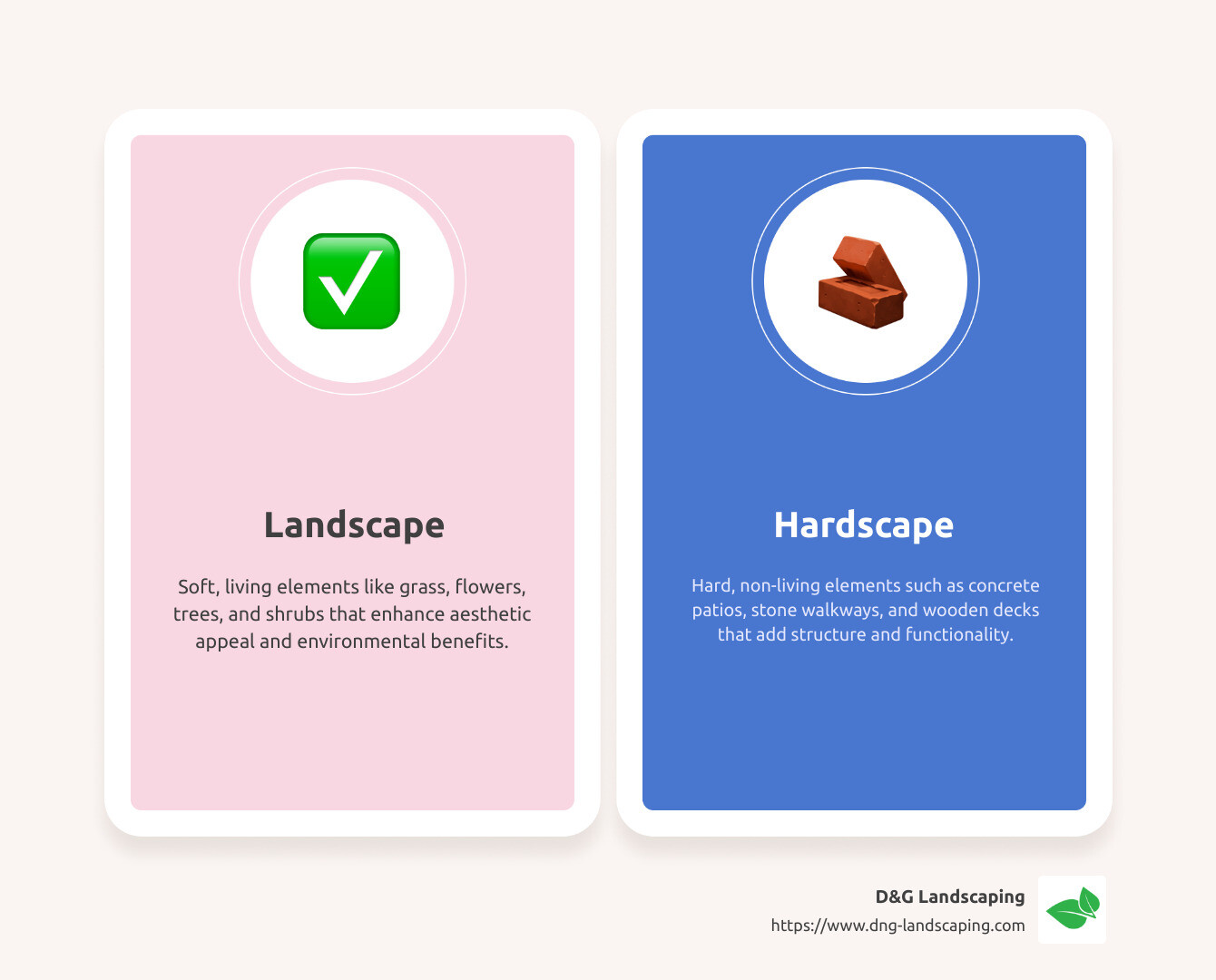
Simple guide to landscape and hardscape terms:
– best hardscape around pool
– creative hardscape company
– residential landscape companies
What is Landscape?
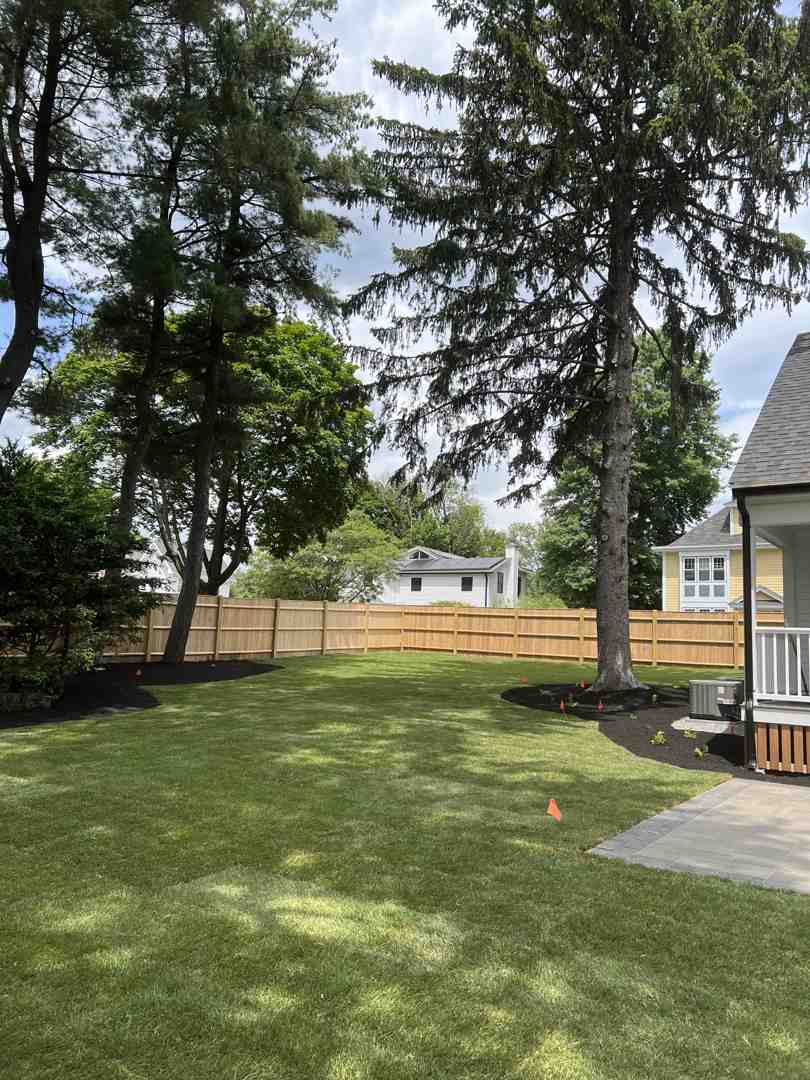
When we talk about landscape, we’re diving into soft, living elements that breathe life into our outdoor spaces. These are the plants, trees, flowers, grass, and shrubs that change with the seasons, offering a dynamic and changing beauty to any yard.
Examples of Landscape Elements
- Plants and Trees: These are the backbone of any landscape. From towering oaks to delicate ferns, trees and plants provide shade, improve air quality, and create habitats for wildlife.
- Flowers: Seasonal blooms like tulips in spring or chrysanthemums in autumn add vibrant color and fragrance, making your garden a sensory delight.
- Grass and Sod: A lush, green lawn not only looks beautiful but also helps in cooling the environment and reducing erosion. Sod is a quick way to achieve a green lawn and is less prone to weed growth compared to seeded lawns.
- Shrubs and Bushes: These serve as natural fences, providing privacy and structure to your outdoor space. They can be evergreen for year-round greenery or deciduous for seasonal interest.
- Vines and Foliage: Climbing vines like ivy or flowering wisteria can transform bare walls into living tapestries, while foliage plants like hostas add texture and depth to garden beds.
- Vegetable and Ornamental Plants: Whether you’re growing tomatoes or roses, these plants offer both beauty and bounty. Vegetable gardens can be both practical and decorative, blending seamlessly into your landscape.
- Soil and Mulch: Healthy soil is the foundation of any landscape. Mulch not only gives a neat appearance to garden beds but also conserves moisture and suppresses weeds.
Environmental Benefits
Landscaping isn’t just about aesthetics. It plays a crucial role in environmental health. Trees and plants absorb carbon dioxide and release oxygen, improving air quality. They also provide habitats for birds and insects, supporting biodiversity. Moreover, a well-planned landscape can reduce energy costs by providing shade in summer and windbreaks in winter.
Incorporating a variety of living elements into your landscape design not only improves the visual appeal but also contributes to a healthier environment. As seasons change, your garden will offer different colors, textures, and fragrances, keeping your outdoor space lively and engaging year-round.
What is Hardscape?
When we talk about hardscape, we’re referring to the non-living elements in your outdoor area. These are the sturdy, durable parts of your yard that provide structure and functionality. Unlike the ever-changing landscape, hardscape elements remain constant, offering a solid foundation to your outdoor space.
Examples of Hardscape Elements
- Concrete and Pavers: These materials are commonly used for creating walkways, patios, and driveways. They offer durability and a clean, modern look. Pavers come in various colors and patterns, allowing for creative designs that complement your home’s style.
- Rocks and Stone: Natural stone adds a timeless appeal to any yard. Whether used for garden paths or retaining walls, stones provide texture and contrast to the softer elements of a landscape.
- Bricks: Often used in patios and pathways, bricks add a classic touch. They are versatile and can be arranged in various patterns to suit different design aesthetics.
- Wood: From decks to pergolas, wood is a popular choice for adding warmth and character. It’s perfect for creating outdoor living spaces like decks and pergolas, where you can relax and entertain.
- Man-made Structures: These include features like decks and pergolas, which extend your living space outdoors. They provide areas for seating, dining, and enjoying the fresh air.
- Retaining Walls: These functional structures help manage slopes and prevent soil erosion. They can also be used to create terraced gardens, adding dimension to your yard.
- Outdoor Kitchens: Perfect for those who love to cook and entertain outside. An outdoor kitchen can include a grill, countertops, and even a sink, making it a fully functional space.
- Fire Pits: These are great for gathering around on cool evenings. A fire pit can be a focal point in your yard, providing warmth and a cozy ambiance.
- Water Features: Adding a fountain or small pond can bring a sense of tranquility to your garden. The sound of flowing water is soothing and can attract birds and other wildlife.
- Fences and Driveways: Fences offer privacy and security, while driveways provide a practical space for parking. Both can be designed to match the overall aesthetic of your home.
Hardscaping not only improves the visual appeal of your property but also increases its functionality and value. By carefully selecting and placing these elements, you can create an outdoor space that is both beautiful and practical.
Benefits of Hardscaping
Hardscaping offers a range of benefits that make it an essential part of any outdoor design. From its durability to its ability to improve property value, hardscaping provides both practical and aesthetic advantages.
Practical Uses of Hardscaping
Durability and Low Maintenance
Hardscape elements are built to last. Materials like concrete, stone, and brick are designed to withstand the elements, ensuring that your outdoor space remains intact for years. Unlike plants that require regular care, hardscaping requires minimal upkeep. A simple wash or occasional sealing can keep these elements looking fresh.
Accessibility and Functional Spaces
Hardscaping can transform your yard into a functional space. Patios and decks provide areas for outdoor dining and relaxation, while pathways offer easy access to different parts of your garden. These elements make your yard more accessible and enjoyable for everyone.
Improved Drainage
Hardscape features like retaining walls and permeable pavers can significantly improve drainage in your yard. Retaining walls help manage slopes and prevent soil erosion, while permeable pavers allow water to seep through, reducing runoff and preventing flooding.
Increased Property Value
Adding hardscape elements can boost your property’s value. Features like outdoor kitchens, fire pits, and well-designed patios are attractive to potential buyers. They see these elements as extensions of living space, making your home more appealing.
Key Hardscape Elements
- Retaining Walls: These structures are not only functional but can also add visual interest. They help manage uneven terrain and create usable garden spaces.
- Stone Stairs and Pathways: Natural stone stairs and pathways offer a rustic charm and guide visitors through your landscape. They are durable and provide a safe, non-slip surface.
- Outdoor Kitchens: Perfect for those who love to entertain, outdoor kitchens can include grills, countertops, and storage, making alfresco dining a breeze.
- Patios and Decks: These are ideal for creating outdoor living areas. Patios offer a solid base for furniture, while decks provide liftd views and additional seating options.
- Fire Pits: A popular feature for gathering, fire pits add warmth and ambiance to your yard. They serve as a focal point and can be enjoyed year-round.
By integrating these hardscape elements, you can create a yard that is both functional and beautiful. Whether you’re looking to entertain guests or simply enjoy a quiet evening outdoors, hardscaping provides the foundation for a versatile outdoor space.
Benefits of Landscaping
Landscaping is more than just a way to beautify your yard—it’s an investment in your property’s health and value. Whether you’re planting trees or designing flower beds, landscaping offers numerous benefits for you and the environment.
Practical Uses of Landscaping
Aesthetic Appeal
Landscaping improves the visual appeal of your property. Imagine vibrant flower beds lining your walkway or a lush green lawn as a backdrop to your home. These elements not only make your property more inviting but also increase its curb appeal, which can be a significant factor if you’re considering selling.
Environmental Impact
Landscaping plays a crucial role in environmental sustainability. Planting trees and shrubs helps reduce stormwater runoff, which decreases the risk of flooding and erosion. Trees also provide shade, reducing the urban heat effect and lowering energy costs by keeping your home cooler in summer.
Seasonal Beauty
One of the joys of landscaping is experiencing the changing seasons through your garden. Spring brings a burst of color with blooming flowers, while autumn showcases a mix of golds and reds. Each season offers its own unique beauty, keeping your yard looking fresh and dynamic all year round.
A well-designed landscape can attract a variety of wildlife. By choosing the right plants, you can invite pollinators like bees and butterflies, as well as birds, to your garden. These creatures not only add life to your outdoor space but also play a vital role in maintaining a healthy ecosystem.
Air Quality Improvement
Plants are natural air purifiers. They absorb carbon dioxide and release oxygen, improving the air quality around your home. Trees and shrubs also trap dust and pollutants, making the air cleaner for you and your family to breathe.
Planting Trees
Trees are a cornerstone of any landscape design. They provide shade, improve air quality, and can even lower noise pollution. Plus, they offer a habitat for birds and other wildlife. A mature tree can also increase your property value significantly.
Flower Beds and Mulch Beds
Flower beds add color and texture to your yard, making it more visually appealing. Mulch beds, on the other hand, help retain soil moisture, suppress weeds, and add nutrients as they decompose. Both are essential components of a thriving landscape.
Garden Design
A thoughtfully designed garden can be a sanctuary for relaxation and reflection. Whether you’re interested in a vegetable garden or a serene rock garden, the possibilities are endless. A well-planned garden not only improves your home’s aesthetics but can also provide fresh produce and herbs.
Lawn Care
A healthy lawn is the foundation of any landscaping project. Regular mowing, watering, and fertilizing keep your grass lush and green. A well-maintained lawn not only looks great but also provides a space for outdoor activities and gatherings.
By embracing the landscape elements, you can create a yard that’s not only beautiful but also beneficial to the environment. Whether you’re looking to improve your home’s curb appeal or create a haven for wildlife, landscaping offers endless possibilities.
Integrating Landscape and Hardscape Elements
Creating a harmonious outdoor space involves a thoughtful blend of landscape and hardscape elements. The goal is to design an area that is both functional and visually appealing, ensuring each component complements the other.
Tips for Combining Landscape and Hardscape
Harmonious Design and Balance
Achieving a balanced look requires careful planning. Consider how natural elements like plants and trees can soften the rigid lines of walkways and patios. This balance not only improves visual appeal but also creates a welcoming atmosphere.
Visual Appeal and Functional Spaces
A successful design should be both beautiful and practical. Use hardscape elements like patios and decks to define areas for entertainment and relaxation. Meanwhile, softscape features can add color and texture, making the space inviting and lively.
Seasonal Planning
Keep seasonal changes in mind when selecting plants and materials. Choose flowers and foliage that will thrive in your climate throughout the year. This ensures your yard remains vibrant and engaging, no matter the season.
Drainage Considerations
Proper drainage is crucial for maintaining the longevity of your hardscape and the health of your landscape. Use retaining walls or stone steps to manage water flow and prevent erosion. This not only protects your investment but also improves the overall functionality of your outdoor space.
Matching Materials and Focal Points
To create a cohesive look, match the materials of your hardscape with the style of your home. For example, if your house features stone accents, consider incorporating similar textures in your walkways or patios. Establish focal points, like a fire pit or water feature, to draw attention and serve as a gathering spot.
Curves and Edges
Incorporate curves and rounded edges to break up the monotony of straight lines. This adds a natural feel to your design, making the space more inviting and less rigid. Curved pathways or circular patios can also guide the eye and create a sense of flow.
Greenery Integration
Integrate greenery into your hardscape by planting shrubs and flowers around patios or along walkways. This not only softens the hard edges but also brings life and color to the area. By blending these elements, you create a seamless transition between the built and natural environments.
By carefully considering these aspects, you can craft an outdoor space that is both functional and aesthetically pleasing, enhancing your property’s overall appeal and value.
Frequently Asked Questions about Landscape and Hardscape
What is the difference between landscape and hardscape?
When talking about outdoor design, you’ll often hear the terms landscape and hardscape. But what do they mean? Simply put, landscape refers to the living elements like plants, trees, and flowers. This is often called softscape. It’s all about the greenery that brings life and color to your yard.
On the other hand, hardscape involves the non-living components. Think of concrete walkways, patios, and decks. These are the structures that give your outdoor space shape and function. They are made from materials like stone, brick, and metal.
Together, landscape and hardscape work to improve your home’s curb appeal. They create a balanced and inviting environment.
Which is an example of a hardscape?
Hardscape elements are all around us, even if we don’t always notice them. Some common examples include patios, walkways, and retaining walls. These features are essential for creating accessible and organized outdoor spaces.
But hardscaping isn’t just about practicality. It can also add beauty and interest. Water features and fire pits are popular choices for adding focal points to a yard. They can transform a simple space into a cozy retreat.
Other examples include landscape lighting and pergolas. These elements provide ambiance and structure, making your outdoor area more enjoyable and functional.
What does hardscape include?
The world of hardscaping is diverse and varied. It includes a wide range of materials and designs. Common materials are concrete, asphalt, and stone. These are durable and long-lasting, making them ideal for outdoor use.
You might also see glass, brick, and metal used in hardscaping projects. These materials bring unique textures and styles to your yard. Gravel is another option, often used for pathways or as a decorative element.
Hardscaping is all about human design. It’s the art of creating functional spaces that complement the natural environment. Whether it’s a sleek, modern patio or a rustic stone wall, hardscape elements add value and character to your property.
Conclusion
In outdoor design, landscape and hardscape elements work together to create beautiful and functional spaces. Landscape elements, like plants and trees, bring life and color, while hardscape components, such as patios and walkways, provide structure and durability.
The benefits of integrating these elements are numerous. Landscapes improve aesthetic appeal and improve air quality, making your outdoor space a breath of fresh air. Meanwhile, hardscapes offer durability and low maintenance, ensuring your yard remains accessible and organized.
At D&G Landscaping, we pride ourselves on our expertise in combining these elements to deliver exceptional outdoor spaces. With over 30 years of experience serving the Tewksbury, MA area, we understand the importance of quality and customer satisfaction. Our team is committed to creating sustainable and visually appealing designs that meet your specific needs.
Whether it’s a small residential project or a large commercial endeavor, our expert services cover everything from landscape design and installation to hardscaping and commercial snow management. We use only the highest quality materials and innovative solutions to ensure your outdoor space is both beautiful and functional.
Ready to transform your property with expert hardscaping services? Contact D&G Landscaping today and let us help you create the outdoor space of your dreams. Your satisfaction is our priority, and we look forward to working with you to bring your vision to life.
