
Water-Wise Landscaping: Smart Solutions for Sustainable Gardening
Drought resistant landscaping is more than a trend—it’s a necessity in today’s climate. If you’re seeking options for a low-maintenance, water-saving garden, you’re in the right place. Here’s what you need to know for quick reference:
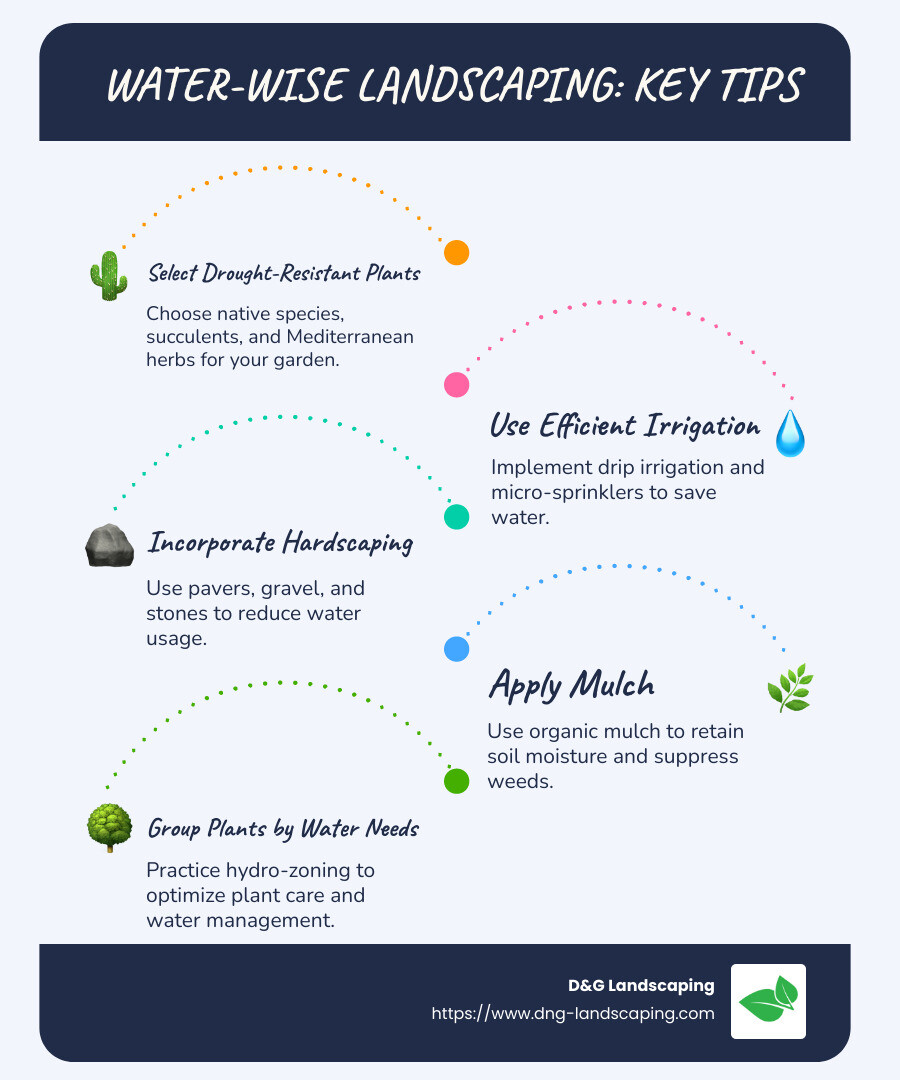
- Select Drought-Resistant Plants: Native species, succulents, Mediterranean herbs.
- Use Efficient Irrigation: Drip irrigation, micro-sprinklers.
- Incorporate Hardscaping: Pavers, gravel, stones.
- Apply Mulch: Organic mulch to save soil moisture.
- Group Plants by Water Needs: Hydro-zoning for optimized care.
In this guide, we’ll explore the essentials of creating a garden that can withstand drought conditions while conserving water and promoting sustainability.
I’m Joe Dogherty, owner of D&G Landscaping with over 30 years in the business. My team and I specialize in drought resistant landscaping, making outdoor spaces not only beautiful but eco-friendly.
Drought resistant landscaping word roundup:
– flower bed design
– flower bed sprinkler system design
– shrub and flower bed design
Understanding Drought-Resistant Landscaping
Drought-Resistant vs. Drought-Tolerant Plants
When planning a drought resistant landscape, it’s crucial to understand the difference between drought-resistant and drought-tolerant plants.
- Drought-Resistant Plants: These plants have natural adaptations that allow them to survive long periods without water. They often have deep root systems or water-storing tissues. Examples include agave, yucca, and cacti.
- Drought-Tolerant Plants: These plants can endure dry conditions but might still need occasional watering. They are not as robust as drought-resistant plants but still perform well in low-water environments. Examples include lavender and Mediterranean herbs like rosemary and thyme.
Benefits of Drought-Resistant Landscaping
Switching to a drought-resistant landscape offers several significant benefits:
- Water Conservation: By using plants that need less water, you reduce your overall water usage. This is crucial in areas prone to drought and helps conserve this precious resource.
- Lower Water Bills: Less water usage translates to lower utility bills. Over time, the savings can be substantial.
- Biodiversity: Drought-resistant landscapes often incorporate native plants, which support local wildlife and promote biodiversity. These plants are well adapted to the local climate and soil, making them more resilient and easier to maintain.
- Aesthetic Appeal: Contrary to what some might think, drought-resistant landscapes can be incredibly beautiful. With a mix of textures, colors, and plant varieties, you can create a visually stunning garden that thrives even in dry conditions.
By integrating these principles, you can create a garden that is not only sustainable but also a joy to behold.
Up next, we’ll discuss how to select the right plants for your drought-resistant garden.
Selecting the Right Plants for Your Garden
Top Drought-Resistant Plants
Choosing the right plants is the cornerstone of drought-resistant landscaping. Here are some top picks that are native, low-maintenance, and require minimal water:
- Agave: Known for its striking appearance, agave is a hardy plant that stores water in its thick leaves. It’s perfect for adding a dramatic flair to your garden.
- Yucca: This plant has deep roots that reach underground water sources, making it incredibly drought-resistant. Its spiky leaves and tall flower stalks add vertical interest.
- Lavender: Lavender is not only beautiful and fragrant but also thrives on minimal water. It’s a great choice for borders and garden beds.
- Cacti: Cacti are the ultimate drought-resistant plants. They store water in their stems and can survive for long periods without rainfall.
- Ornamental Grasses: Grasses like Blue Fescue and Feather Reed Grass are not only drought-resistant but also add movement and texture to your landscape.
- Mediterranean Herbs: Herbs such as rosemary and thyme are excellent choices. They are drought-tolerant and add a functional element to your garden, perfect for cooking.
Using Ground Covers and Succulents
Ground covers and succulents are excellent for drought-resistant landscaping. They act as living mulch, reducing water evaporation and adding an extra layer of beauty.
- Ground Covers: Plants like thyme, sedum, and sea thrift serve as living mulch. They cover the soil, reducing moisture loss and helping to control weeds. They also add a splash of color with their blooms.
- Succulents: Succulents like echeveria and hens-and-chicks store water in their leaves, making them ideal for dry conditions. They come in various shapes and colors, adding visual interest to your garden.
By selecting these types of plants, you can create a garden that is both stunning and water-wise. Up next, we’ll explore smart gardening practices to make your drought-resistant landscape thrive.
Smart Gardening Practices for Drought-Resistant Landscaping
Creating a drought-resistant landscape is not just about choosing the right plants. It’s also about employing smart gardening practices to ensure your garden thrives with minimal water.
Efficient Irrigation Systems
Efficient irrigation is key to water-wise gardening. Traditional sprinklers often waste water through evaporation and runoff. Instead, opt for drip irrigation or micro-sprinklers. These systems deliver water directly to the roots, minimizing waste and maximizing absorption.
- Drip Irrigation: Delivers water slowly and directly to the plant roots, reducing evaporation and runoff.
- Micro-Sprinklers: These small sprinklers are ideal for targeting specific areas, ensuring that only the plants that need water receive it.

Mulching Techniques
Mulch is a gardener’s best friend when it comes to conserving water. Applying a layer of organic mulch around plants helps retain soil moisture, suppress weeds, and regulate soil temperature.
- Soil Moisture Retention: Mulch acts as a barrier, reducing evaporation and keeping the soil moist for longer periods.
- Weed Suppression: By covering the soil, mulch inhibits weed growth, which competes with your plants for water.
Soil Amendments
Improving your soil’s water-holding capacity is another crucial step. Adding organic matter such as compost improves soil structure and increases its ability to retain moisture.
- Compost: Rich in nutrients, compost improves soil structure, making it easier for roots to grow and access water.
- Soil Structure Improvement: Organic matter helps create a more porous soil structure, allowing for better water infiltration and retention.
Grouping Plants by Water Needs
Grouping plants with similar water requirements together is a smart way to ensure efficient watering. This practice, known as hydrozoning, allows you to tailor your watering schedule to the specific needs of each plant group.
- Efficient Watering: By grouping plants with similar needs, you avoid overwatering or underwatering, ensuring each plant gets the right amount of water.
- Water Management: This method simplifies your watering routine and conserves water by focusing it where it’s needed most.
Removing Traditional Lawns
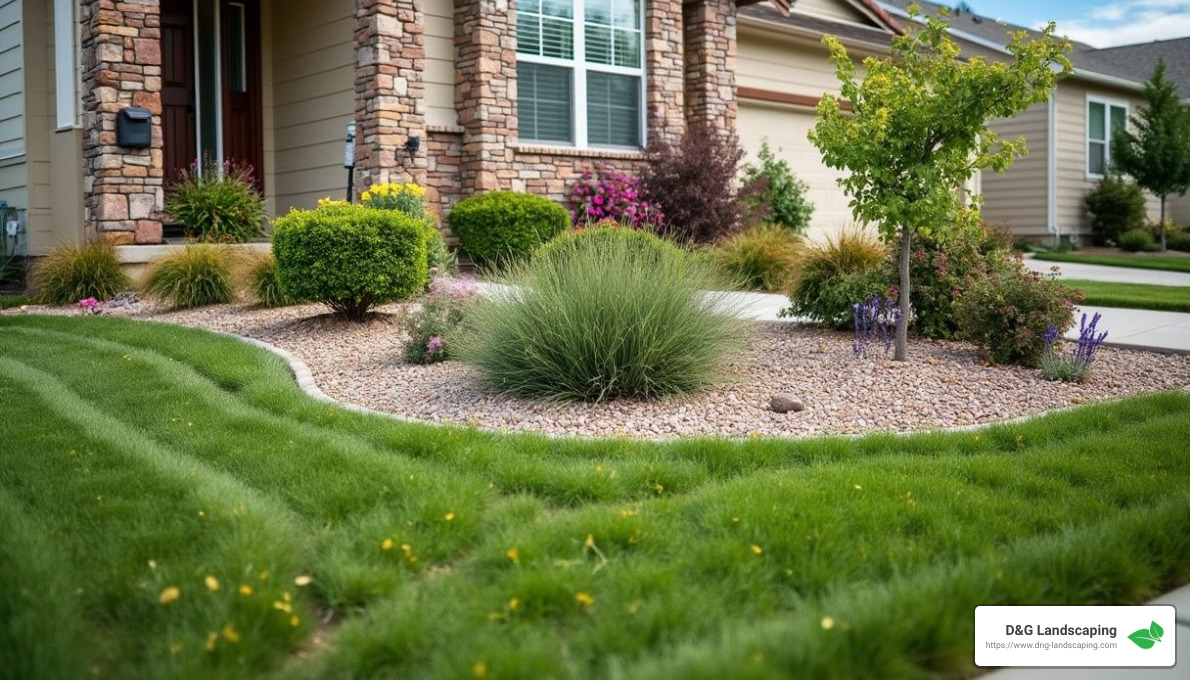
Traditional lawns are water hogs. Replacing them with grass alternatives like flower beds, gravel gardens, or native ground covers can save significant amounts of water.
- Grass Alternatives: Consider replacing your lawn with a flower bed, gravel garden, or native ground cover. These alternatives require less water and maintenance.
- Gravel Gardens: Gravel not only conserves water but also adds a modern, clean look to your landscape.
By implementing these smart gardening practices, you can create a beautiful and sustainable drought-resistant landscape. Up next, we’ll explore how to adapt these practices across different regions in the US.
Popular Regions for Drought-Resistant Landscaping
Drought-resistant landscaping is adaptable and can be implemented anywhere in the US. However, certain regions have accepted these practices more due to their specific climate challenges.
Northeastern US
The Northeastern US, including states like New York, Pennsylvania, and New Jersey, is known for its varied climate, with hot summers and cold winters. These areas experience periods of drought, making water conservation essential. Drought-resistant landscaping here often features plants like sedum, coneflower, and ornamental grasses, which thrive in both dry and wet conditions. Homeowners in cities like New York City and Philadelphia are increasingly using gravel and stone to replace traditional lawns, reducing water use and creating stunning, low-maintenance landscapes.
Midwestern US
The Midwest, including states like Illinois, Ohio, and Michigan, is another hotspot for drought-resistant landscaping, especially in areas that experience dry spells. Cities like Chicago, Columbus, and Detroit have seen a rise in water-wise gardening due to fluctuating weather conditions. Native plants such as black-eyed Susan, purple coneflower, and various ornamental grasses are popular choices. These plants not only conserve water but also add vibrant colors and textures to the landscape. Midwesterners are also big on using drip irrigation systems to ensure efficient water use.
Southeastern US
In states like Georgia, North Carolina, and South Carolina, the warm climate and occasional droughts make drought-resistant landscaping a smart choice. These areas benefit from plants that can withstand hot summers and occasional dry periods, such as lantana, daylilies, and juniper. The use of organic mulch and amended soil helps retain moisture and improve soil quality, ensuring these hardy plants thrive. Cities like Atlanta and Charlotte are leading the way in promoting sustainable landscaping practices.
Pacific Northwest
While the Pacific Northwest is known for its abundant rainfall, regions like eastern Washington and Oregon face water scarcity. Here, drought-resistant landscaping is gaining popularity. Homeowners are turning to native plants like Oregon grape, red-flowering currant, and kinnikinnick, which require less water and maintenance. Using mulch and efficient irrigation systems helps keep these landscapes vibrant even during dry spells. Seattle and Portland are examples of cities where water-wise gardening is becoming more common.
Regional Adaptations
Each region in the US has unique climate considerations that influence the choice of plants and landscaping techniques. For instance, the Northeastern US focuses on plants that can handle both dry and wet conditions, while the Southeastern regions need plants that can survive hot summers and occasional droughts. The Pacific Northwest’s approach often involves choosing plants that can thrive in both wet and dry conditions.
By understanding and adapting to these regional differences, you can create a beautiful and sustainable drought-resistant landscape no matter where you live. Up next, we’ll answer some frequently asked questions about drought-resistant landscaping.
Frequently Asked Questions about Drought-Resistant Landscaping
Which plant is the most drought-resistant?
When it comes to drought-resistant plants, stonecrop (Sedum) is a top contender. Stonecrop thrives in dry conditions and requires very little water to maintain its lush, green appearance. It’s perfect for rock gardens and as ground cover.
Another excellent choice is sedum. This hardy succulent is well-known for its ability to store water in its leaves, making it incredibly drought-tolerant. Sedum comes in various colors and shapes, adding visual interest to your garden without the need for frequent watering.
How can I landscape without water?
Landscaping without water might seem challenging, but it’s entirely possible with the right strategies.
- Lawn Alternatives: Replace traditional grass lawns with drought-resistant options like gravel gardens, artificial turf, or low-water plants. For instance, ornamental grasses and perennial plants can create a lush look without excessive water use.
- Landscape Rock: Use rocks and gravel to create visually appealing, low-maintenance areas. These materials require no water and can be combined with drought-resistant plants to add texture and color.
- Low-Water Plants: Incorporate plants that thrive in dry conditions, such as agave, yucca, and cacti. These plants are not only beautiful but also incredibly resilient.
What is the most low maintenance landscaping?
For those looking for low-maintenance landscaping, consider the following options:
- Ground Cover Plants: Plants like creeping thyme, clover, and sedum provide excellent ground cover while requiring minimal care. They suppress weeds and reduce the need for watering.
- Perennial Plants: Perennials like lavender, sage, and Russian sage come back year after year without the need for replanting. They are typically drought-resistant and require little maintenance.
- Evergreens: Evergreen shrubs and trees, such as juniper and pine, maintain their foliage year-round and need minimal watering once established. They provide structure and greenery to your landscape without constant upkeep.
By choosing these low-maintenance options, you can enjoy a beautiful garden without spending excessive time and resources on maintenance. Up next, we’ll explore how to implement these practices across different regions in the US.
Conclusion
At D&G Landscaping, we believe that sustainable solutions are the future of landscaping. With over 30 years of experience, we specialize in creating beautiful, drought-resistant landscapes that not only conserve water but also improve your property’s value and curb appeal.
Why Choose Us?
- Expertise and Quality: Our team is committed to delivering high-quality, reliable services. From design to installation and maintenance, we ensure every project meets our standards of excellence.
- Customer Satisfaction: We prioritize our clients’ needs. Whether it’s a residential garden or a commercial property, we work closely with you to create a landscape that suits your vision and budget.
- Sustainable Solutions: Our designs incorporate native plants, efficient irrigation systems, and eco-friendly materials to create landscapes that thrive with minimal water and maintenance.
By choosing drought-resistant landscaping, you not only save on water bills but also contribute to a more sustainable environment. If you’re ready to transform your outdoor space, contact us today to get started on your journey towards a water-wise garden.
We look forward to helping you create a landscape that you can enjoy for years to come.
