
Snow and Ice Management: Top 5 Powerful Tips 2024

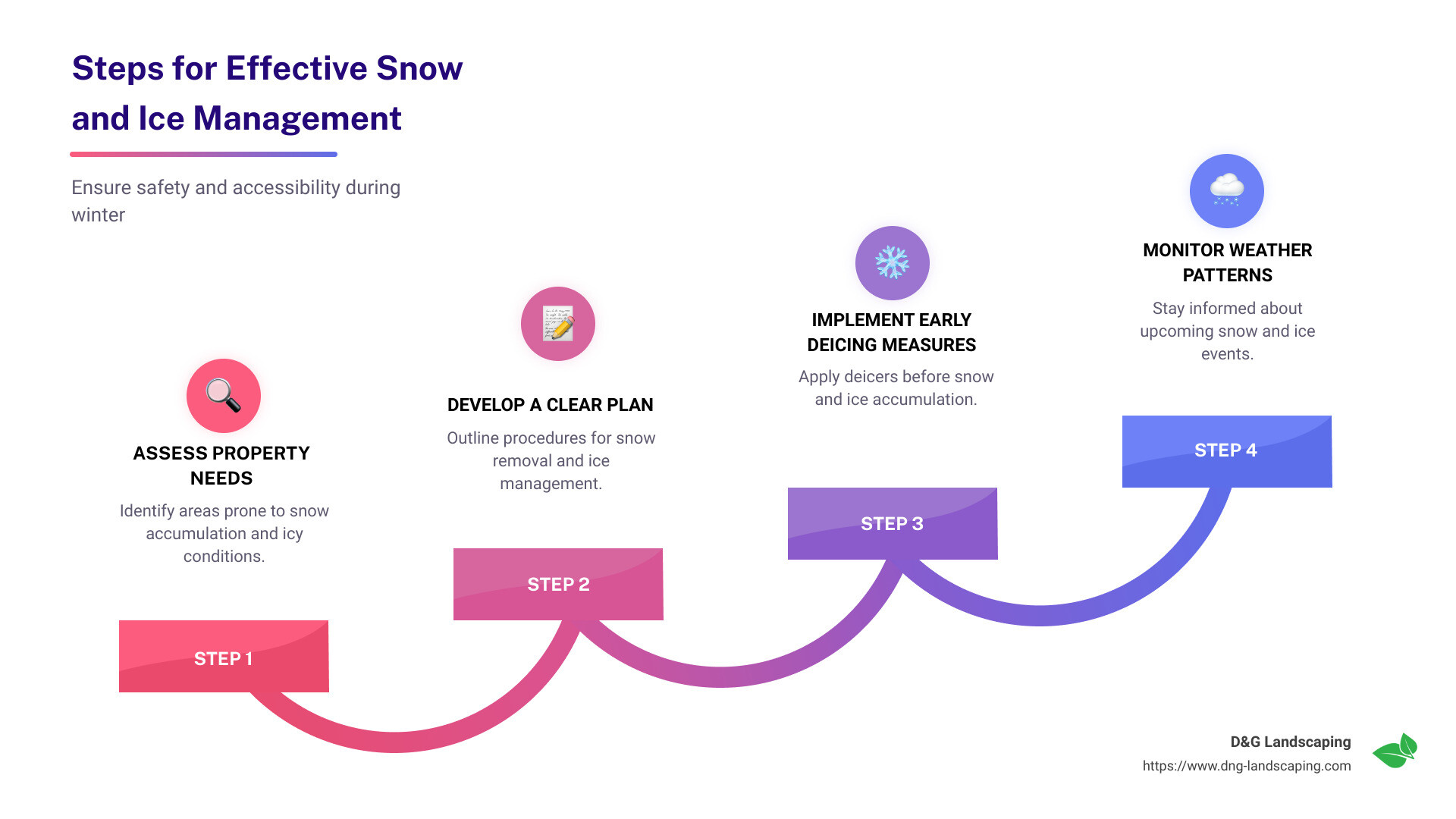
Snow and ice management is crucial for maintaining the safety and accessibility of your property during harsh winter months. Whether you’re dealing with a heavy snowfall or freezing temperatures, proper planning can help keep your commercial areas safe and operational. Here are some key aspects:
- Snow Removal: Clearing snow promptly reduces hazards and maintains access.
- Ice Management: Effective deicing prevents slips and maintains walkway safety.
- Safety: Maintaining ice-free areas ensures safety for all visitors and staff.
As Joe Dogherty, owner of D&G Landscaping with over 30 years of experience, I’ve dedicated my career to providing expert landscaping and snow management services. My team and I focus on custom solutions that meet specific client needs, ensuring that each snow and ice management plan maximizes safety and efficiency. Our comprehensive approach is founded on a deep understanding of local conditions and industry best practices.
Snow and ice management further reading:
– commercial ice management contractor
– commercial plowing service
– commercial snow removal companies near me
Understanding Snow and Ice Management
Snow and ice management is all about keeping your property safe and accessible during winter. Let’s break down the key components: snow accumulation, ice conditions, and slip and fall prevention.
Snow Accumulation
Snow can pile up fast, turning your property into a winter wonderland—or a nightmare. Managing snow accumulation is critical. Heavy snow can block paths, parking lots, and driveways, making them unusable and unsafe.
Why is it important? Imagine trying to steer a parking lot with a foot of snow. It’s not just inconvenient; it’s dangerous. Clearing snow promptly ensures that everyone can move around safely.

Ice Conditions
Ice is a silent threat. It can form quickly and often goes unnoticed until it’s too late. Ice conditions are tricky because they can vary greatly—one area might be clear, while another is a slick hazard.
Why does it matter? Ice can cause slips and falls, leading to injuries. For businesses, this means potential legal issues and unhappy customers. Monitoring ice conditions and acting quickly with deicers can prevent these problems.
Slip and Fall Prevention
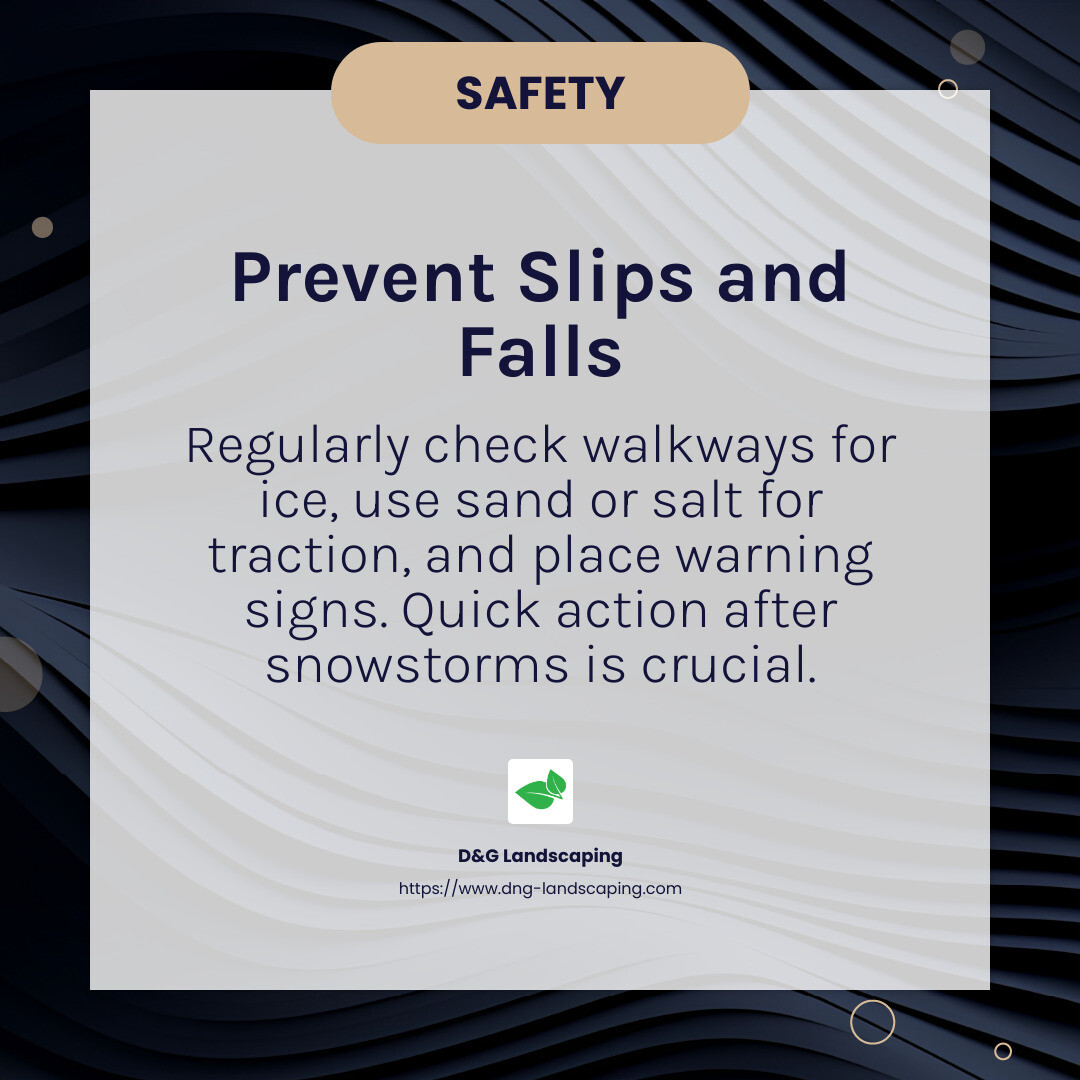
Preventing slips and falls is about more than just clearing snow and ice. It’s about planning and vigilance. Regularly checking for icy spots and using the right materials to melt ice can make all the difference.
How can you prevent slips and falls? Keep walkways clear, use sand or salt to increase traction, and install signs to warn of slippery areas. Regular maintenance and quick action after a snowstorm are key.
By understanding these elements of snow and ice management, you can create a safer environment for everyone during the winter months. This proactive approach not only protects people but also saves time and resources in the long run.
Effective Snow Removal Techniques
When it comes to snow removal, using the right techniques can make all the difference in keeping your property safe and accessible. Let’s explore some of the most effective methods: snow plowing, snow hauling, and liquid deicers.
Snow Plowing
Snow plowing is the frontline defense against heavy snow buildup. It involves using plows attached to vehicles to push snow off roads, parking lots, and other surfaces. This method is efficient for clearing large areas quickly and is essential for maintaining accessibility during a snowstorm.
Why is it effective? According to D&G Landscaping, snow plowing helps ensure that employees, customers, and delivery personnel have safe access to buildings, no matter what the weather conditions. By removing snow promptly, businesses can prevent disruptions and maintain normal operations.
Snow Hauling
Sometimes, plowing isn’t enough, especially when snow accumulates in large amounts. This is where snow hauling comes into play. Snow hauling involves transporting excess snow to designated disposal sites, ensuring that it doesn’t pile up and cause blockages.
How does it work? After plowing, snow is loaded onto trucks and moved to areas where it won’t interfere with daily activities. This technique is particularly useful in urban settings where space is limited and snow can’t simply be pushed to the side.
Liquid Deicers
Liquid deicers are chemical solutions applied to surfaces to prevent ice formation and to melt existing ice. They are a proactive measure, often used before a storm to make snow and ice removal easier.
Why use liquid deicers? According to the Snow and Ice Management Company, liquid deicers are selected for their effectiveness in melting ice and preventing slippery surfaces. By treating surfaces ahead of time, businesses can reduce the risk of slip and fall accidents and maintain clear pathways.
Implementing these effective snow removal techniques ensures that your property remains safe and operational throughout the winter season. By combining plowing, hauling, and deicing, you can tackle any snowstorm with confidence.
Next, we’ll dive into Ice Management Strategies to explore how to keep ice at bay and maintain safe conditions.
Ice Management Strategies
Winter weather isn’t just about snow—ice management is equally crucial. Let’s explore some strategies to tackle ice formation and keep your property safe.
Ice Melting
Ice melting involves using materials that lower the freezing point of water, turning ice back into liquid. Common materials include rock salt and calcium chloride. These are spread over icy surfaces to dissolve ice and prevent accidents.
Why is it important? Ice can be more hazardous than snow. It creates slippery conditions that can lead to slips and falls. By applying ice-melting products, you can quickly reduce these risks. It’s a proactive step that ensures walkways and parking lots remain safe for everyone.
Deicing
Deicing is the process of removing ice from surfaces. This can be done using both chemical and mechanical methods. Chemicals like liquid deicers are ideal for preventing ice buildup before it starts. Mechanical methods, like scraping, break up and remove existing ice.
How does it work? Deicing is often used in combination with ice-melting products. By applying liquid deicers before a storm, you create a barrier that prevents ice from bonding to surfaces. This makes post-storm cleanup faster and more efficient.
Preventative Measures
Preventative measures are key to effective ice management. These strategies aim to stop ice from forming in the first place. This includes using environmentally friendly, less corrosive deicers and ensuring proper drainage to prevent water accumulation.
Why take preventative action? As noted by EFS professionals, understanding the mechanics of snow and ice behavior helps in making informed decisions. By preventing ice formation, you minimize the need for reactive measures, saving time and resources.
Implementing these ice management strategies can help keep your property safe and accessible during winter months. By focusing on melting, deicing, and prevention, you can effectively manage icy conditions and reduce potential hazards.
In the next section, we’ll explore Sustainable Practices in Snow and Ice Management to ensure our efforts are environmentally friendly.
Sustainable Practices in Snow and Ice Management
When it comes to snow and ice management, sustainability is key. Let’s explore how we can manage winter weather responsibly.
Environmental Impact
Traditional snow and ice management practices often use chemicals that can harm the environment. For instance, excessive use of rock salt can lead to soil and waterway contamination. It’s important to recognize the environmental footprint of our actions and seek more sustainable methods.
Sustainable Salt
Sustainable salt is a game-changer in winter management. This type of salt is formulated to minimize environmental damage while still effectively melting snow and ice. It often includes additives that reduce corrosiveness and improve efficiency, meaning you need less of it to get the job done.
Why use sustainable salt? It reduces the risk of damaging vegetation and infrastructure. Plus, it helps maintain the health of local ecosystems. As SIMA suggests, aligning with industry standards can significantly lower environmental impacts.
Eco-Friendly Deicers
Eco-friendly deicers are another excellent option. These products are designed to be less harmful to the environment. They often use organic compounds that are biodegradable and less corrosive compared to traditional salts.
Benefits of eco-friendly deicers: They are safer for pets and wildlife, reduce the risk of metal corrosion, and are less likely to damage concrete surfaces. By choosing these products, you contribute to a healthier environment while still keeping your property safe.
Implementing sustainable practices in snow and ice management not only helps protect the environment but also improves the safety and longevity of your property. By opting for sustainable salt and eco-friendly deicers, you can effectively manage winter conditions while being environmentally conscious.
Next, we’ll address some common questions in our Frequently Asked Questions about Snow and Ice Management section.
Frequently Asked Questions about Snow and Ice Management
How do you deal with snow and ice?
Dealing with snow and ice requires a combination of strategic shoveling and using the right tools. Snow blowing routines are essential for efficiently clearing large areas like parking lots and sidewalks. Start by blowing snow in the direction of the wind to avoid covering cleared areas again.
Strategic shoveling involves starting from the middle and working outwards to keep paths clear. Use ergonomic shovels to reduce strain and always push snow instead of lifting it when possible.
How do you get rid of snow and ice fast?
For quick removal, a combination of hot water spray and salt application can be effective. Hot water helps melt ice quickly but should be used cautiously to avoid refreezing, which can create a more dangerous ice layer.
Salt application is a tried-and-true method. Salt lowers the freezing point of water, helping to melt ice and prevent new ice from forming. For best results, apply salt before a storm arrives to prevent accumulation.
What is the meaning of snow management?
Snow management involves both chemical and physical processes to handle winter weather effectively.
Chemical processes include using deicers like salt and eco-friendly alternatives to melt ice and prevent future buildup. These chemicals break the bond between ice and the surface, making removal easier.
Physical processes involve manual or mechanical methods like snow blowing and plowing. These techniques physically remove snow from surfaces, requiring strategic planning to ensure efficiency and safety.
Understanding these processes helps in planning and executing a comprehensive snow and ice management strategy, ensuring safety and accessibility during winter months.
Conclusion
In snow and ice management, expertise and a commitment to customer satisfaction are paramount. At D&G Landscaping, our decades of experience have honed our skills in delivering top-notch services to both residential and commercial clients. This experience, combined with our dedication to sustainable practices, ensures that our clients receive not only effective but also environmentally friendly solutions.
Customer satisfaction is at the heart of what we do. We understand that each property has unique needs, and we tailor our snow and ice management plans accordingly. By prioritizing open communication, we work closely with our clients to ensure their safety and peace of mind throughout the winter season.
Our team is equipped with the latest tools and techniques in snow removal and ice management. From strategic snow plowing to the application of eco-friendly deicers, we employ a range of methods to keep properties safe and accessible. Our commitment to quality and innovation sets us apart, making us a trusted partner in the Tewksbury, MA area.
In conclusion, when it comes to managing snow and ice, having a reliable partner like D&G Landscaping can make all the difference. We invite you to learn more about our comprehensive services and how we can help you maintain a safe and functional property this winter. Visit our commercial snow management page to get started.
With D&G Landscaping, you can rest assured that your property is in expert hands, and your satisfaction is our top priority.
